GLP-1 Receptor Agonists in CKD: Kidney Protection, Weight Loss, and What the Evidence Really Shows
You may have first heard about GLP-1 drugs in connection with weight loss, and then seen one on your kidney care list. That combination can feel confusing: a medication famous for shrinking waistlines is now being discussed as something that protects kidneys? And if you have read the recent reports about kidney problems with these medicines, the question gets sharper still: are they helping my kidneys or hurting them?
Here is the short version. In a large randomized trial called FLOW, once-weekly semaglutide cut the risk of major kidney events by about a quarter in people with type 2 diabetes and chronic kidney disease (CKD), and on that evidence the FDA approved it for a kidney indication in January 2025. At the same time, the drug’s official label carries a warning about acute kidney injury linked to dehydration from stomach side effects. This article walks through both sides: how these medications work, what the kidney protection evidence actually shows, why weight loss matters with CKD, and how clinicians weigh benefit against risk so you can have an informed conversation with your care team.
What Are GLP-1 Receptor Agonists, and How Do They Work?
GLP-1 stands for glucagon-like peptide 1, a hormone your gut releases after you eat. Its normal jobs are to tell your pancreas to release insulin when blood sugar rises, to slow how quickly food leaves your stomach, and to send fullness signals to your brain. GLP-1 receptor agonists are prescription medications that mimic this hormone: they bind to the same GLP-1 receptors in your body and activate them, which is why the word agonist (a substance that turns a receptor on) appears in their name.
The best-known members of this class are semaglutide, liraglutide, and dulaglutide. Semaglutide comes as a once-weekly injection or a daily pill, liraglutide is a once-daily injection, and dulaglutide is a once-weekly injection. They were developed first for type 2 diabetes, and several are also approved for weight management.
Their effects follow directly from that mechanism: lower blood sugar in people with diabetes, slower digestion, reduced appetite, and meaningful weight loss over months. For your kidneys specifically, the story is more subtle, and it is where the recent evidence gets interesting. If you already take an SGLT2 inhibitor (another newer kidney-protective class), our article on SGLT2 inhibitors in CKD explains how that family works; GLP-1 receptor agonists reach similar goals by a different route.
Kidney Protection: What the Trials Show
The anchor of the kidney evidence is the FLOW trial, published in 2024. It randomized 3,533 people with type 2 diabetes and CKD (kidney function between an eGFR of about 25 and 75, with elevated protein in urine) to once-weekly semaglutide or placebo, on top of standard care that included the usual kidney-protective blood pressure medicines. The trial was stopped early because the benefit became clear so quickly: over a median follow-up of 3.4 years, semaglutide cut the risk of major kidney events (kidney failure, a sustained halving of eGFR, or death from kidney or heart causes) by 24%. It also lowered cardiovascular death by about 29%, all-cause death by about 20%, and slowed the year-to-year decline in eGFR.
That result was strong enough to change regulation. On January 28, 2025, the FDA approved semaglutide for a new kidney indication: “to reduce the risk of sustained eGFR decline, end-stage kidney disease and cardiovascular death in adults with type 2 diabetes mellitus and chronic kidney disease.” It was the first GLP-1 receptor agonist to carry an approved kidney label.
The evidence has kept stacking up since:
- A pooled analysis published in 2026 combined participant-level data from three large trials (FLOW plus two cardiovascular outcome trials, SELECT and SOUL) covering more than 30,000 people, including many without diabetes. Across those diverse populations, semaglutide lowered the risk of a major kidney composite by about 16%.
- In the SMART trial, people with overweight or obesity and elevated urine protein but no diabetes cut their albuminuria (the protein-in-urine measure) by about half within six months on higher-dose semaglutide.
- For liraglutide, a prespecified kidney analysis of the large LEADER trial found a 22% lower risk of a renal composite outcome in people with type 2 diabetes at high cardiovascular risk, driven mainly by less new protein leakage into urine.
How do these drugs protect kidneys? The exact mechanisms are still being studied, but the consistent pattern is a substantial reduction in albuminuria (about 40% lower than placebo over roughly two years in FLOW), along with anti-inflammatory and blood-pressure effects that ease strain on the kidney’s filters. For background on what your protein-in-urine number means, see our guide to proteinuria basics; for how eGFR fits into the bigger picture of kidney function, see what GFR is in CKD and CKD stages 1 through 5.

The Weight Loss Benefit, and Why It Matters With CKD
Weight loss is not a side effect of these drugs; for many patients it is part of the point. In weight management trials, once-weekly semaglutide produced an average loss of about 15% of body weight over roughly a year, and daily liraglutide about 8%; in people with type 2 diabetes the numbers are somewhat lower but still meaningful. Individual results vary widely, which is why your care team will set expectations rather than promises.
Why does that matter for kidneys? Because excess weight drives much of what damages them over time: it worsens insulin resistance and blood sugar control, raises blood pressure, promotes inflammation, and strains the heart. Most people with CKD ultimately die of heart disease rather than kidney failure, so a medication that trims weight, improves glucose control, and lowers cardiovascular events attacks several engines of harm at once. In FLOW, the cardiovascular benefits ran alongside the kidney ones.
Two CKD-specific caveats keep this in balance. First, weight loss should be gradual: rapid loss can erode muscle mass, and preserving muscle matters for people with advanced CKD. Second, your protein and calorie needs may differ from a general diet plan; our kidney-friendly nutrition guide is a good companion, and a renal dietitian can tailor the details to your stage and labs.
The Kidney Safety Question: Acute Kidney Injury and Dehydration
Now the part that prompted this article in the first place: the warning in the product insert. Semaglutide’s official label carries a section titled “Acute Kidney Injury Due to Volume Depletion.” It notes postmarketing reports of AKI, in some cases requiring dialysis, with most events occurring in patients who had gastrointestinal reactions (nausea, vomiting, or diarrhea) that led to dehydration. The label advises monitoring kidney function in anyone reporting side effects that could cause fluid loss, especially during dose initiation and escalation.
Acute kidney injury (AKI) means a sudden drop in kidney function over hours to days, as opposed to the slow decline of CKD; our article on acute kidney injury explains how it is recognized and treated. The pathway with these drugs is usually straightforward: stomach side effects reduce what you drink and eat, your body loses fluid, blood flow to the kidneys falls, and function dips. It is typically reversible once fluids are restored and the trigger is addressed.

So why do recent reports matter? Because as use of these medications has grown, so have case reports. A 2024 review in Clinical Kidney Journal summarized more than a hundred published cases linking GLP-1 receptor agonists to AKI, most consistent with that dehydration pathway; a few rare cases showed an inflammatory kidney reaction (acute interstitial nephritis) on biopsy. The same group queried the FDA’s adverse event database and found that of thousands of kidney-related reports for this drug class from 2010 to 2022, AKI was by far the most common.
Here is the crucial counterweight: case reports are not risk estimates. A meta-analysis pooling seven large cardiovascular outcome trials (more than 55,000 participants) found no increase in AKI with GLP-1 receptor agonists overall; if anything, the point estimate trended slightly lower. In FLOW itself, serious adverse events were actually somewhat less common on semaglutide than placebo. The honest summary: at a population level these drugs do not appear to raise AKI risk, but individual risk is real and concentrates in specific situations: advanced CKD, concurrent diuretics or other blood pressure medicines that affect fluid balance (see diuretics in CKD), older age, rapid weight loss, illness with poor intake, and the early weeks of treatment when doses are being escalated.
Weighing Benefits Against Risk: When Do They Outweigh Each Other?
This is the question your nephrologist answers for you, case by case. The evidence points in one direction on each side of the scale.
On the benefit side: proven reductions in kidney failure and major eGFR loss (FLOW), lower cardiovascular death, slower eGFR decline, large albuminuria reductions, meaningful weight loss, and consistent results across more than 30,000 participants when trials are pooled. The people who appear to gain the most have type 2 diabetes with CKD and elevated urine protein, obesity, or established heart disease: exactly the profile of many readers of this site.
On the risk side: mostly manageable gastrointestinal effects early on; a small but real AKI risk that concentrates in dehydrated states and advanced kidney disease; rare inflammatory kidney reactions; and other class-wide cautions in the label, including acute pancreatitis and a boxed warning about thyroid C-cell tumors seen in animal studies (which is why people with certain personal or family histories of medullary thyroid cancer should not use these drugs).
The balance tips toward benefit when the kidney-protective upside is large (albuminuria, diabetes, heart disease) and the dehydration risk can be actively managed: gradual dose increases, attention to fluids, sick-day rules, and scheduled labs. It tips toward caution when kidney function is very low or unstable, when vomiting has already been a problem, or when other medications make fluid balance fragile. None of that is a decision you should make alone; it is the conversation this article prepares you for.
What the Guidelines and FDA Say
The international KDIGO 2024 guideline takes a clear position, though it frames GLP-1 receptor agonists as part of diabetes management rather than standalone kidney therapy. Its recommendation: in adults with type 2 diabetes and CKD who have not reached their individualized blood sugar targets despite metformin plus an SGLT2 inhibitor (or cannot use those), a long-acting GLP-1 receptor agonist is recommended, with a preference for agents that have documented cardiovascular benefits. A 2025 KDIGO commentary went further, calling FLOW “the strongest evidence in support of incretin mimetic use for kidney protection” to date and noting that obesity, albuminuria, and heart disease are all potentially compelling reasons to consider these drugs alongside glycemic control.
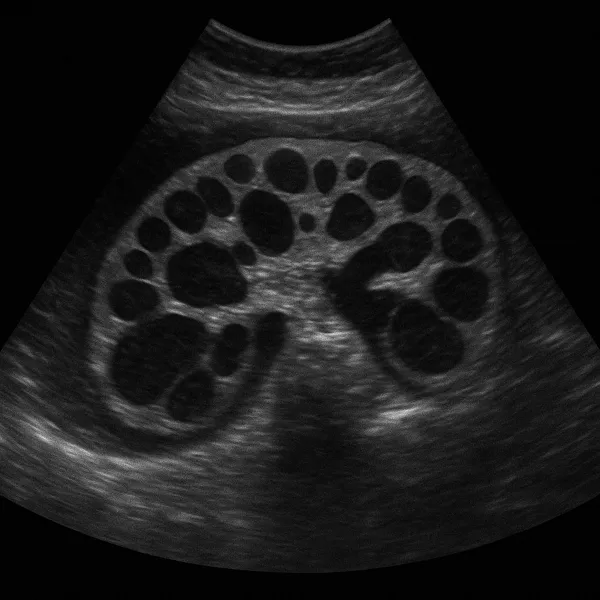
The FDA picture is narrower but concrete: as of this writing, semaglutide is the only GLP-1 receptor agonist with an approved CKD indication, and it applies specifically to adults with type 2 diabetes plus CKD (the FLOW population). It does not cover CKD without diabetes, other causes of kidney disease such as polycystic kidney disease or glomerulonephritis (which the trial excluded), or dialysis patients. For people in those situations, any use would be off-label and a deliberate care-team decision.
In practical terms, these drugs slot into the same modern foundation as SGLT2 inhibitors and ACE inhibitors/ARBs: blood pressure control first, then layered kidney-protective therapies matched to your specific risks. Our article on delaying progression of CKD maps out that broader strategy.
What to Expect When You Start
If your care team recommends a GLP-1 receptor agonist, here is what the evidence and labels say to expect:
- Stomach effects are common early. Nausea was reported by about 20% of people on semaglutide in trials (versus about 6% on placebo), with vomiting around 9% and diarrhea around 9%. Most occur during dose escalation, and most fade as your body adjusts.
- Dosing goes slow on purpose. Treatment starts at a low dose and steps up over weeks; that gradual ramp is what keeps stomach upset (and the dehydration risk behind it) manageable. For the kidney indication specifically, the maintenance dose is 1 mg once weekly, reached after at least four weeks on 0.5 mg.
- Hydration is part of the plan. The label’s own counseling language tells patients to take precautions against fluid loss and to report persistent nausea, vomiting, or diarrhea promptly. If you are also on a diuretic, your team may time doses or adjust fluids deliberately.
- Labs get checked, especially early. Expect kidney function (eGFR/creatinine) monitoring during initiation and dose changes; no dose adjustment is needed for kidney impairment itself, but the monitoring catches problems before they matter.
- Weight loss should be gradual. If it feels too fast, or you notice muscle weakness, tell your care team: pace matters in CKD.
IMPORTANT: Never start, stop, or change the dose of a GLP-1 receptor agonist on your own. The kidney risk these drugs carry is mostly tied to dehydration from nausea, vomiting, or diarrhea, so the single most important thing you can do is report persistent stomach upset, fluid loss, dizziness, or a drop in urine output promptly, especially during the first weeks and any dose increase. That is when your care team can adjust fluids, timing, or dosing before anything becomes serious.
What to Take Away
- GLP-1 receptor agonists (semaglutide, liraglutide, dulaglutide) mimic a gut hormone that lowers blood sugar, slows digestion, and reduces appetite; the name means they activate the GLP-1 receptor
- In the FLOW trial, once-weekly semaglutide cut major kidney events by 24% in people with type 2 diabetes and CKD, lowered cardiovascular death by about 29%, and slowed eGFR decline; a 2026 pooled analysis of more than 30,000 participants found consistent benefit
- The FDA approved semaglutide for that kidney indication on January 28, 2025: the first GLP-1 receptor agonist with an approved CKD label (type 2 diabetes plus CKD population only)
- Weight loss averages about 15% with weekly semaglutide and about 8% with daily liraglutide in obesity trials; gradual loss that preserves muscle is the goal in CKD
- The label warning is real but specific: AKI reports are mostly tied to dehydration from stomach side effects, concentrated early in treatment or during dose increases; population-level trial data show no increased AKI risk overall
- KDIGO 2024 recommends a long-acting GLP-1 receptor agonist for type 2 diabetes plus CKD not at blood sugar target despite metformin and an SGLT2 inhibitor, preferring agents with proven cardiovascular benefit
- The decision is individual: albuminuria, obesity, and heart disease tip the balance toward benefit; very low or unstable kidney function and fluid-sensitive medication regimens call for extra caution
Questions Worth Asking Your Care Team
- Given my eGFR, urine protein level, and other conditions, would a GLP-1 receptor agonist make sense for me?
- Which drug in this class fits my situation best (weekly versus daily, diabetes dose versus weight-management dose), and why?
- How will you monitor my kidney function during the first weeks and any dose increases?
- I take a diuretic [or other blood pressure medicines]: does that change how we manage fluids or timing on this drug?
- What stomach side effects should I expect, what counts as “persistent” enough to call you, and what can we do if they happen?
- If I get sick with vomiting or diarrhea, what are my sick-day rules for this medication?
- How much weight loss is realistic for me, and how will we make sure it does not cost me muscle mass?
- Does anything in my history (thyroid cancer, pancreatitis) affect whether this drug is safe for me?
A Note on This Article
This article is educational information only, not medical advice, diagnosis, or treatment, and it does not replace the judgment of your own care team. Whether a GLP-1 receptor agonist makes sense depends on your kidney function, urine protein level, blood sugar control, other conditions, and full medication list. Your nephrologist may customize any recommendation here to match your stage and labs.
Works Cited
- Kidney Disease: Improving Global Outcomes (KDIGO) CKD Work Group. KDIGO 2024 Clinical Practice Guideline for the Evaluation and Management of Chronic Kidney Disease. Kidney Int. 2024;105(4S):S117–S314.
- Perkovic V, Tuttle KR, Rossing P, et al. Effects of Semaglutide on Chronic Kidney Disease in Patients with Type 2 Diabetes (FLOW). N Engl J Med. 2024;391(2):109–121.
- de Boer IH, Caramori ML, Chan JCN, et al. GLP-1 Receptor Agonists and Other Incretin Mimetics for Diabetes and Chronic Kidney Disease: A KDIGO Commentary. Kidney Int. 2025;107(5):767–771.
- Mann JFE, Badve SV, Baeres FMM, et al. Effect of Semaglutide on Kidney Outcomes in the SELECT, FLOW, and SOUL Trials: A Prespecified Pooled Analysis. Lancet Diabetes Endocrinol. 2026;14(10):818–830.
- U.S. Food and Drug Administration. Semaglutide prescribing information (diabetes product), revised January 2025 (NDA 209637S-025 approval letter dated January 29, 2025; chronic kidney disease indication approved January 28, 2025).
- Farhana B, Kelly C, Kapoor K, et al. Semaglutide-associated Kidney Injury. Clin Kidney J. 2024;17(9):sfae250.
- Patoulias D, Boulmpou A, Papadopoulos CE, Doumas M. Glucagon-like Peptide-1 Receptor Agonists and the Risk of Acute Kidney Injury: Alarming, or Not? Kidney Med. 2021;3(4):674–675.
- Mann JFE, Ørsted DD, Brown-Frandsen K, et al. Liraglutide and Renal Outcomes in Type 2 Diabetes (LEADER). N Engl J Med. 2017;377(9):839–848.
- Wilding JPH, Batterham RL, Calanna S, et al. Once-Weekly Semaglutide in Adults with Overweight or Obesity (STEP 1). N Engl J Med. 2021;384(11):989–1002.
- Pi-Sunyer X, Astrup A, Fujioka K, et al. A Randomized, Controlled Trial of 3.0 mg of Liraglutide in Weight Management (SCALE). N Engl J Med. 2015;373(1):11–22.